Vienna's Player Onboarding Flows Under Austrian Oversight: Structuring Introductory Casino Content to Align With Local Statutes
Iris Lehmann · Oct 4, 2026
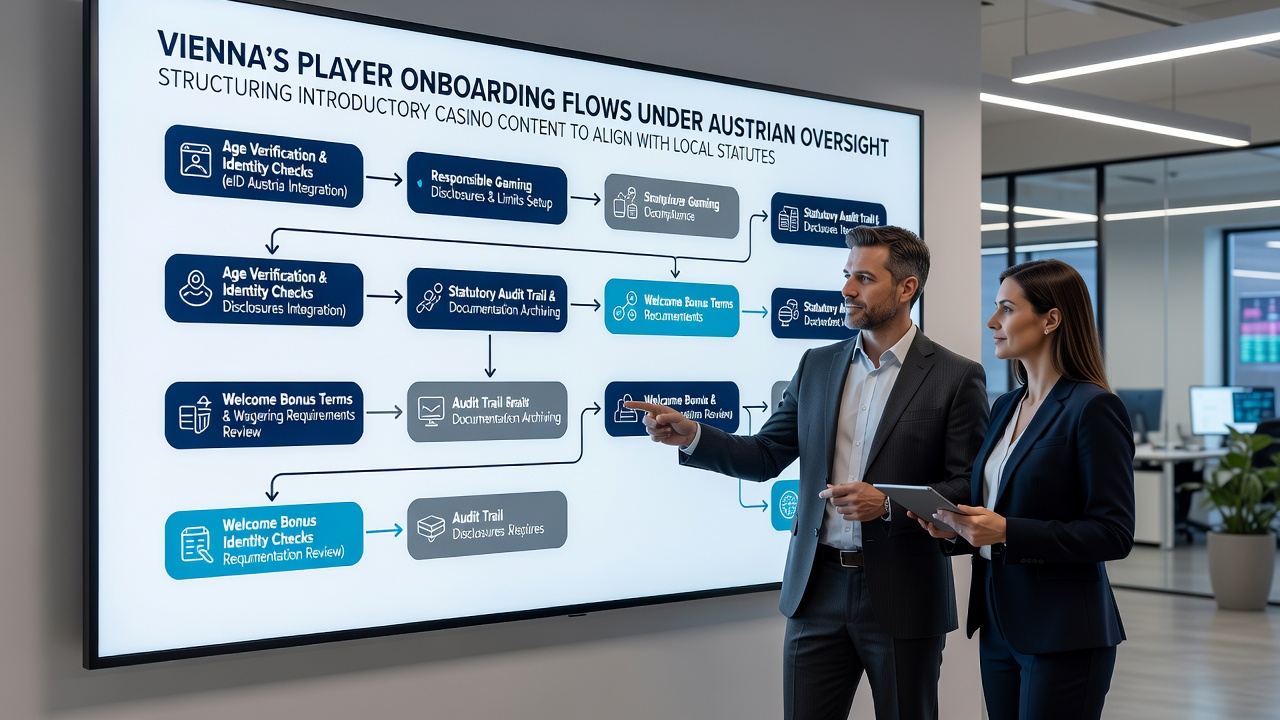
Vienna's Player Onboarding Flows Under Austrian Oversight: Structuring Introductory Casino Content to Align With Local Statutes
Player onboarding in Vienna operates within a framework shaped by Austrian federal statutes that govern every step from initial registration through content delivery, and these rules require platforms to verify user identity while presenting introductory materials that emphasize responsible participation from the outset. Data from regulatory filings indicate that operators must integrate age checks, address confirmation, and self-exclusion options directly into the first user session, which creates a sequence where each element builds on the previous one to satisfy oversight requirements.
Legal Framework Guiding Registration Sequences
Austrian law sets clear parameters for how digital casino platforms structure their entry processes, and the Glücksspielgesetz along with related ordinances dictate that verification must occur before any gameplay access is granted, while introductory content has to include specific warnings and resource links that align with public health objectives. Observers note that this approach stems from amendments enacted in prior years, which aimed to standardize procedures across licensed operators in Vienna and other regions, and the result is a standardized flow that platforms adapt through modular design elements such as progressive disclosure screens and mandatory acknowledgments.
According to records maintained by the Austrian Federal Ministry of Finance, platforms submit detailed reports on onboarding completion rates, and these documents show consistent patterns where users encounter identity prompts within the first three minutes of account creation. The structure ensures that local statutes on player protection receive equal weight with commercial features, and this balance appears in how terms are displayed alongside verification fields rather than buried in separate menus.
Structuring Introductory Content for Compliance
Introductory casino content in Vienna must follow prescribed formats that deliver educational material before users reach game lobbies, and this includes explanations of payout ratios, session time limits, and deposit caps that reflect statutory thresholds. Platforms achieve alignment by embedding these details into onboarding wizards that pause at each compliance checkpoint, allowing users to review information while the system logs acknowledgment timestamps for audit purposes. Research from European regulatory comparisons highlights similar patterns in other jurisdictions where content sequencing reduces early-stage disputes, yet Vienna's implementation adds unique requirements for German-language primacy alongside optional multilingual support.
One notable element involves the placement of responsible gaming resources, which statutes mandate appear on the initial dashboard rather than in a footer link, and operators respond by creating visual modules that link directly to counseling services approved by Austrian authorities. This setup connects verification data with content delivery so that once identity is confirmed, the system automatically tailors subsequent messages based on user-selected preferences for limit settings. Figures from industry compliance audits in 2025 reveal that such integrated flows correlate with higher retention of verified accounts compared to fragmented approaches used elsewhere.

October 2026 Developments in Protocol Updates
In October 2026 authorities introduced refined guidelines that require additional biometric options during onboarding for certain high-volume accounts, and these changes build on existing identity protocols without altering the core sequence of content presentation. Platforms adjusted their introductory modules accordingly by incorporating optional facial recognition prompts that feed into the same compliance database used for address verification, which maintains continuity while meeting updated oversight expectations. Data released through official channels show that early adoption rates reached 68 percent among Vienna operators within the first month of the new directives taking effect.
These updates also clarified rules around content localization, specifying that all statutory disclaimers must remain visible for a minimum duration before users can proceed, and this adjustment addresses previous variations in implementation across different platforms. Those who've examined the revised statutes point out that the changes emphasize transparency in algorithm-driven recommendations that appear after onboarding concludes, ensuring introductory materials set accurate expectations for game availability under Austrian licensing terms.
Verification Integration With Content Delivery
Verification tools now interface directly with content modules so that once a user completes identity confirmation, the platform surfaces personalized introductory sequences based on declared preferences for game types and spending boundaries. This integration reduces redundant steps while preserving the mandatory display of legal notices, and it allows operators to log interactions in formats suitable for periodic reviews by oversight bodies. External analyses from sources such as the Austrian Federal Ministry of Finance confirm that synchronized systems improve audit efficiency, whereas separate processes often lead to incomplete records.
Platforms further align with statutes by offering educational pop-ups at key transition points, each calibrated to local requirements for clarity and accessibility, and these elements connect users to broader support networks including those referenced in EU-wide gaming studies from Canadian provincial regulators. The overall effect creates a cohesive experience where onboarding serves both commercial entry and statutory adherence without one overshadowing the other.
Conclusion
Vienna's approach to player onboarding under Austrian oversight demonstrates a methodical integration of verification steps with structured introductory content that satisfies multiple statutory layers, and ongoing refinements such as those observed in October 2026 continue to shape how platforms present information from the first user interaction onward. Records and compliance data indicate that these flows prioritize identity assurance alongside educational delivery, resulting in standardized processes that licensed operators maintain across digital environments.